How to opt out of RecordsFinder
1. Open the official opt-out page
Open RecordsFinder's request page below. Read the live instructions before entering anything; use its privacy link if the old route has moved. Use the form's search fields to find your record. Match first name, last name, city and review results without buying a report.
These instructions describe published request steps, not a removal tested here. Follow the live official form if it differs.
Open RecordsFinder's official request route
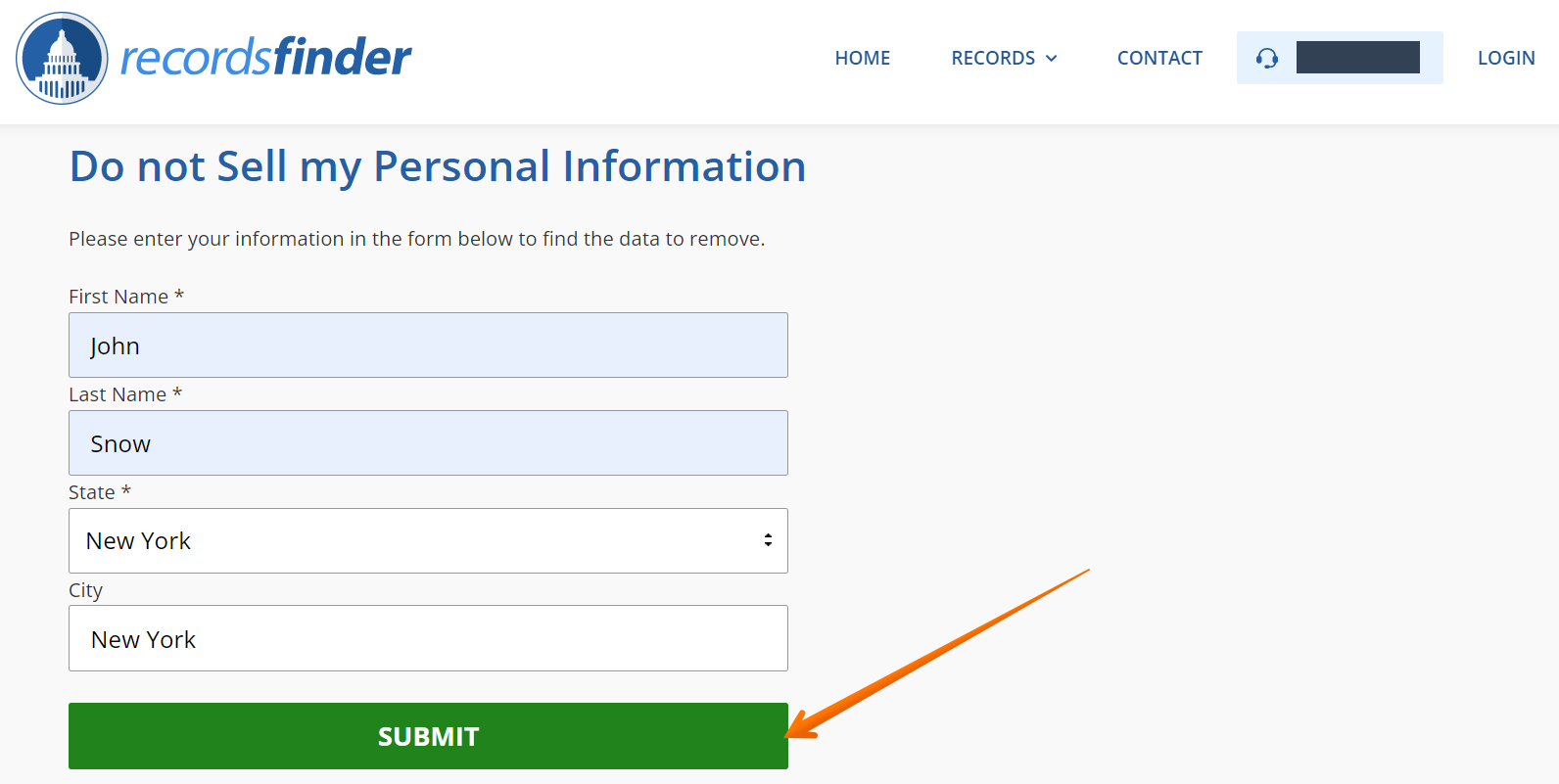
2. Choose the matching record for removal
Check the name and locations on the result. Choose its remove control, then provide the matching information requested by the live form.

3. Provide your email and confirm
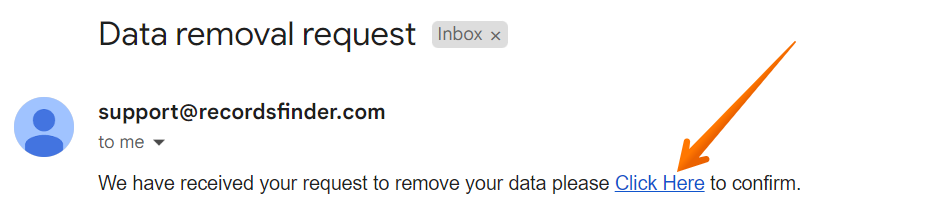
Enter an inbox you control, complete any required human check and send the request. If a verification message arrives, follow its genuine confirmation link.
What happens next
Save the submitted listing URL or identifying details, request date and every response. Received, processing and completed are different states.
After the site reports completion, check the original listing and search again for matching records. A temporary error, access block or empty search alone does not prove deletion.
Check other websites separately. Keep a reminder to review the original site again, rather than assuming one request protects every copy forever.
What removal covers
The request concerns this site's matching personal record. It does not automatically remove original public records or the same information from unrelated websites.
- What this request covers
- The request concerns this site's matching personal record. It does not automatically remove original public records or the same information from unrelated websites.
- Search results
- A search result can lag behind the underlying page. Check the actual listing separately from Google or other search engines; this guide does not promise a delisting deadline.
- Browser privacy
- Cookies and advertising controls are separate from a people-search listing. Use the site's current privacy settings for those choices.
Having trouble?
The live form differs from these instructions
Follow RecordsFinder's current official privacy options. Published pages can change; do not send identifying details to a different operator or an unverified replacement form.
The page is blocked or will not load
Try the official page again later in a current browser. Do not bypass an access challenge, buy a background report to unlock removal or treat a blocked page as a completed request.
A request is marked received, but the listing remains
Check the response for its status and any published processing guidance. Keep your original request details for a follow-up through the site's official privacy or support route.
Google still shows the old result
Open the underlying page first. If it has genuinely changed or disappeared, you can use Google's Refresh Outdated Content tool. This is a separate process, not a promise of immediate search removal.
RecordsFinder opt-out FAQs
Where should I start with RecordsFinder?
Use RecordsFinder's official privacy route to request removal of your matching information.
What does this RecordsFinder request cover?
The request concerns this site's matching personal record. It does not automatically remove original public records or the same information from unrelated websites.
Which details should I provide?
Use the identifying fields required by the live official request, such as first name, last name, city. Share only what is necessary and review any sensitive-document requirement.
How do I know the request is finished?
Keep the actual response and check its status. After the operator reports completion, review the matching record directly; a receipt, blocked page or elapsed time does not independently prove removal.
Does this cancel a subscription or erase all public records?
No. Account billing, original public records, search-engine results and other websites are separate. Use the appropriate official route for each.
Sources and method
By Protect My Data editorial team Prepared Updated
- RecordsFinder: official request routePublic reference reviewed 8 October 2026. No personal information was entered and no request or verification was triggered.
- RecordsFinder: privacy informationPublic information and navigation reference reviewed 8 October 2026. Follow current request and eligibility instructions.
- RecordsFinder: website and privacy navigationStarting point for checking the live operator and privacy links; not proof of a successful request.
Public sources and available starting pages reviewed 8 October 2026. Interface examples from public guides are historical illustrations of the corresponding process, not personally tested current screens. Some official pages restrict automated access. No personal details, verification messages or submissions were involved. Later steps and outcomes were not tested. Follow the live official instructions if they differ.
Quick calculator
What does doing it yourself cost?
Adjust the numbers to see how repeated opt-out work could add up over a year. This is an illustrative personal estimate in US dollars.
Illustrative only. It does not measure removals, show plan savings or guarantee any result.
How this is calculated
hours = brokers x minutes per request x times per year / 60; value = hours x value of one hour