The story in brief
- Has a Ledger-wide exploit been confirmed?
- No. The reporting reviewed describes an investigation into missing funds and possible reseller-related risks, not a verified vulnerability affecting every Ledger wallet.
- Are the reported loss totals verified?
- No. More than $86 million is attributed to an analyst. Claims approaching $100 million are also unverified.
- What matters for wallet owners?
- Check official guidance independently. Protect recovery words, pause suspicious setup or signing requests, and respond to any actual unauthorized transactions.
What the Ledger reports actually say
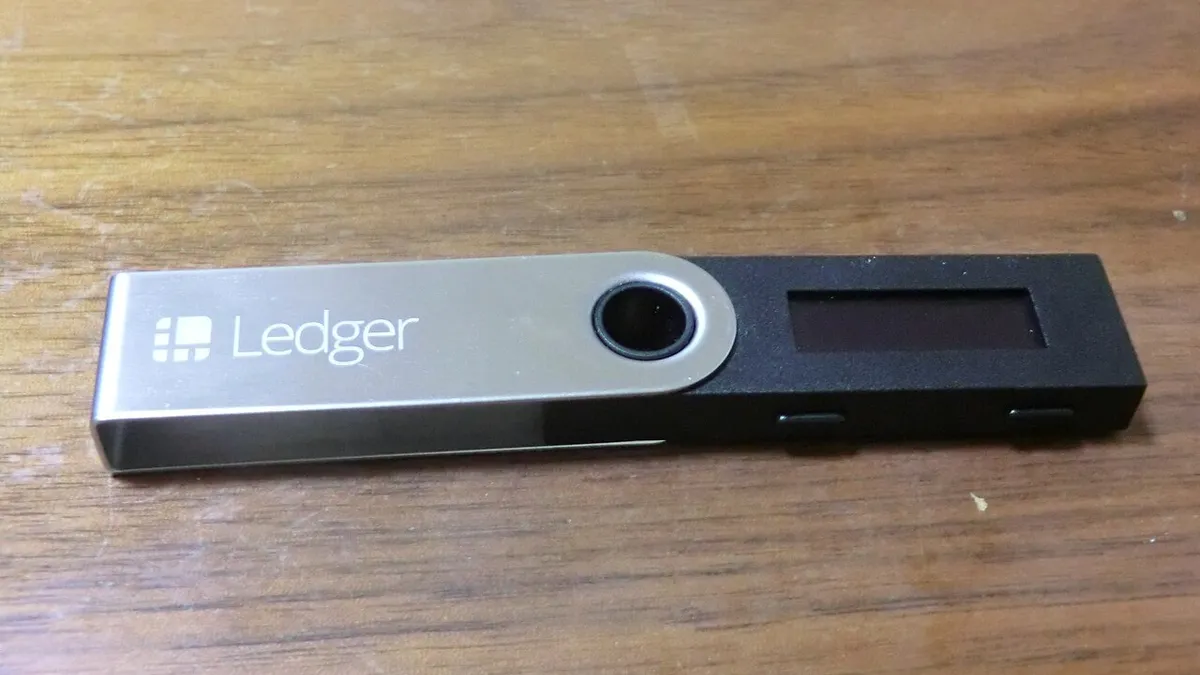
On 9 October 2026, CoinDesk reported that Ledger was investigating reports of missing cryptocurrency from customers who bought hardware wallets through CryptoBilis, a reseller in Southeast Asia. Its report attributes the company's response to a Ledger Support post. We checked the reporting, but could not independently retrieve that social post.
CoinDesk says Ledger asked the reseller to pause sales and shipments, advised customers who bought devices there within the previous 90 days not to begin setup, and said already-active customers should consider transferring assets to a new device with a newly generated recovery phrase. These are reported precautions, not proof that device tampering caused the losses.
Earlier Crypto Briefing coverage described reported thefts across Ethereum, TRON and Bitcoin and said Ledger had not yet commented. CoinDesk's later account includes a response. The earlier statement about silence should not be treated as the latest position.
The evidence, the estimates and the gaps
Several stories repeating the same analyst's claim do not amount to independent verification. We have not audited the reported wallet addresses, established ownership, counted victims or valued transfers. Blockchain movements alone do not prove that every transfer was theft or that each sender used the same device.
- Reseller investigationSource-backed
- CoinDesk reports a Ledger investigation involving devices sold through CryptoBilis. This is attributed reporting, not our direct verification of the company's social post.
- $86 million estimateNot established
- Reported as an estimate from pseudonymous analyst Specter. CoinDesk explicitly says the amount has not been independently confirmed.
- Near-$100 million totalNot established
- Appears in early reporting as a possibility. It is not an established loss total.
- Ledger-wide hardware or firmware exploitNot established
- Not established by the sources checked. No confirmed universal device vulnerability or Ethereum protocol failure is identified.
Wallet theft is not the same as a hardware exploit
A recovery phrase can recreate the wallet's accounts without the physical device. If somebody obtains those words, they can steal funds even when the original hardware works as designed. Ledger's official loss-of-funds guidance explains this distinction.
Phishing can instead persuade a person to approve a malicious transfer or token allowance. Compromised software can mislead the user or alter what a connected application does. A supply-chain attack would concern a device or its setup being interfered with before the buyer receives it.
A hardware or firmware vulnerability is a different technical claim, requiring evidence about the device itself. A protocol vulnerability would concern the underlying blockchain. The reported movement of funds across several networks does not establish either. None of these possible mechanisms should be named as the confirmed cause of this investigation.
Practical steps without a panic transfer
Use Ledger's support website by navigating there yourself. Do not follow a direct message, sponsored recovery offer or unsolicited instruction to move funds to a supplied address. A hurried response to a real news story can become a second scam.
- Check where the device came fromIf you recently bought through CryptoBilis, pause setup and check current official Ledger guidance before proceeding. The reported advice is reseller-specific, not an instruction for every Ledger owner to reset a wallet.
- Keep recovery words offlineDo not type them into a website, support chat, computer or phone. Never use a phrase supplied by a seller. Genuine device setup should generate your own recovery phrase; a prefilled recovery card is a warning sign.
- Check what you approveDo not sign a transaction described as a wallet verification or emergency patch. Read transaction details on the trusted device and stop if the destination or permission is unclear.
- If funds have moved unexpectedlyRecord transaction hashes and contact official support and local police. If recovery words were exposed, all accounts derived from them may be at risk. Follow official guidance for a safe new wallet and new phrase. Reusing the old phrase does not remove that risk.
- If you approved a malicious contractUse trusted official guidance to review and revoke unsafe token permissions. This is distinct from a leaked recovery phrase. Do not connect to a recovery website from a stranger, and do not pay anyone promising guaranteed recovery.
What a privacy scan cannot establish
An email exposure scan is not a hardware-wallet audit. It cannot tell whether a Ledger device was tampered with, inspect a recovery phrase or confirm involvement in these reported thefts. Never enter recovery words into any privacy scan.
Reducing public personal information may help limit targeting, but it cannot reverse cryptocurrency transactions or repair a compromised wallet. Incident response and wallet security remain separate from public-data removal.
How the Ledger reports developed
Wallet-drain claims circulate
Crypto Briefing attributes theft estimates to an analyst and says the attack mechanism is unknown.
A reseller investigation is reported
CoinDesk reports a Ledger response concerning CryptoBilis and precautionary advice. Its report still describes the loss amount and cause as unconfirmed.
Sources checked for this explainer
Neither the $86 million estimate, the near-$100 million claim nor a Ledger-wide exploit is treated here as verified.
How this report was checked
How this report was checked
Sources checked on 9 October 2026: CoinDesk's 9 October report, Crypto Briefing's earlier coverage, and Ledger's official loss-of-funds guidance. CoinDesk is the source for the attributed reseller response; the underlying social post was not independently accessible during this check.
We have not obtained attacker material, verified a victim list or established loss totals. This is an explainer of reported claims and supported precautions, not confirmation of a Ledger-wide breach.
Questions readers ask
Was $86 million stolen from Ledger users?
That figure is an analyst's reported estimate. It has not been independently verified in the sources checked, and we cannot present it as an established total.
Does this mean Ethereum or Bitcoin was hacked?
No such conclusion is supported. Wallet theft, compromised recovery words, malicious approvals and a blockchain protocol vulnerability are different things.
Should every owner move their funds?
The reported precaution concerns recent CryptoBilis purchases. Check official guidance for your circumstances. Never move assets to an address supplied by an unsolicited message.
Can stolen crypto be recovered?
Recovery is uncertain. Keep transaction evidence and report theft to law enforcement. A privacy service cannot reverse a blockchain transfer, and nobody should promise guaranteed recovery.
Sources
- Ledger investigates potential wallet tampering after reports of $86 million in crypto stolenCoinDesk, 9 October 2026
- Ledger users reportedly drained of over $86 million in suspected exploitCrypto Briefing, 9 October 2026, early coverage
- Loss of fundsLedger, official support, Updated 9 September 2026; checked 9 October 2026
Published 9 October 2026. Sources checked 9 October 2026. Last updated 9 October 2026. We do not link to attacker material.
The short version
The reported thefts deserve attention, but the total losses and cause remain unverified. Check current official guidance, protect recovery words and refuse unsolicited signing or transfer instructions. A reported reseller investigation is not a confirmed Ledger-wide exploit.